Furniture Vector Illustration: A Guide to EPS Files for Creative Projects
Whether you're a designer, entrepreneur, or hobbyist, understanding the power of furniture vector illustration can open up new creative and business opportunities. In this article, we'll explore what furniture vector illustrations are, why they matter, and how you can use them in your projects. We'll also delve into the importance of EPS files and how they can be used across various design software platforms.
What Are Furniture Vector Illustrations?
Furniture vector illustrations are digital images created using vector graphics. Unlike raster images such as JPEGs or PNGs, which are made of pixels, vector graphics are composed of points, lines, and curves that can be scaled infinitely without losing quality. This makes them ideal for use in a wide range of applications, especially when it comes to designing products like shirts, wood signs, mugs, and more.
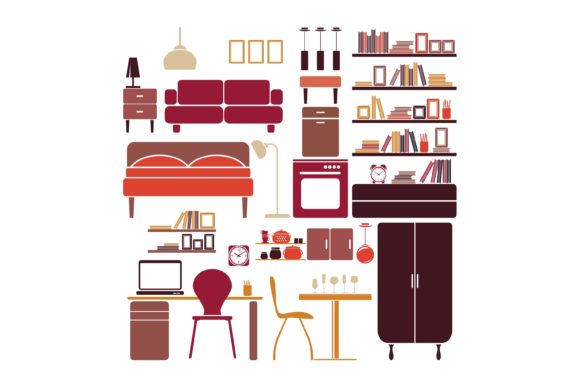
When it comes to furniture vector illustration, these designs typically feature stylized depictions of furniture items such as chairs, tables, sofas, and bookshelves. These illustrations can be simple or intricate, depending on the artist's style and the intended use. They are often used in branding, marketing materials, and product packaging.
The Benefits of Using Vector Graphics
- Scalability: Vectors can be resized without losing clarity, making them perfect for both small prints and large banners.
- Editing Flexibility: Individual elements of a vector illustration can be edited independently, allowing for easy customization.
- File Size Efficiency: Vector files tend to be smaller than high-resolution raster images, which is great for online sharing and storage.
- Compatibility: Vector files work well with most design software, including Adobe Illustrator, Inkscape, and Corel Draw.
Why EPS Files Are Perfect for Designers
One of the most popular formats for vector graphics is the EPS (Encapsulated PostScript) file format. EPS files are widely supported by design software and are known for their ability to maintain high quality at any scale. Whether you're creating logos, icons, or full illustrations, EPS files provide a reliable and professional solution.
EPS files are especially useful for designers who need to create scalable artwork for print and digital use. They are compatible with a variety of programs, including:
- Adobe Illustrator CC
- Adobe Suite
- Inkscape
- Corel Draw
- Other vector-based design tools
How to Use EPS Files in Your Projects
Using an EPS file is straightforward once you understand the basics of vector graphics. Here’s how you can incorporate EPS files into your creative workflow:
- Download and Open the File: Locate the EPS file you want to use and open it in your preferred design software.
- Customize the Design: Modify colors, shapes, or text as needed. Since EPS files are vector-based, you can easily edit individual elements.
- Export for Different Uses: Save the file in the appropriate format for your project—whether it's for print, web, or digital media.
- Use in Multiple Formats: Convert the EPS file into other formats like PNG, PDF, or SVG if needed for different platforms or devices.
Applications of Furniture Vector Illustrations
Furniture vector illustrations have a wide range of practical uses, from personal projects to commercial ventures. Here are some common applications:
- T-shirt Designs: Create custom patterns for apparel with clean, scalable graphics.
- Wood Signs: Use vector illustrations to design eye-catching signs for home or business.
- Mugs and Tumblers: Add unique artwork to everyday items with high-quality vector graphics.
- Cards and Invitations: Incorporate elegant vector designs into event invitations or greeting cards.
- Party Decor: Design festive decorations that can be printed at any size without loss of detail.
- Product Packaging: Enhance the visual appeal of your products with professional-grade illustrations.
Common Misconceptions About Vector Graphics
While vector graphics offer many advantages, there are some common misconceptions that may prevent designers from fully utilizing them. One of the most frequent misunderstandings is that vectors are only suitable for certain types of designs. In reality, vectors can be used for almost any type of illustration, from abstract art to detailed product designs.
Another misconception is that vector files are difficult to work with. While they do require some technical knowledge, most design software provides user-friendly interfaces that make it easy for beginners to get started. With practice, anyone can create stunning vector illustrations that are both functional and beautiful.
Getting Started with Furniture Vector Illustrations
If you're new to vector illustration, here are a few tips to help you get started:
- Choose the Right Software: Start with a beginner-friendly tool like Inkscape or Adobe Illustrator to learn the basics.
- Practice Basic Shapes: Begin by drawing simple shapes and gradually move to more complex designs.
- Explore Tutorials: Online tutorials and courses can provide valuable guidance and inspiration.
- Experiment with Styles: Try different artistic styles to find what works best for your projects.
- Use Reference Images: Study real-life furniture to create accurate and appealing illustrations.
Conclusion
Furniture vector illustration offers a powerful way to bring creativity to life, whether you're designing products, creating branding materials, or exploring your artistic side. By using EPS files, you can ensure that your designs remain high-quality and versatile across all platforms and applications. With the right tools and techniques, anyone can create stunning vector illustrations that enhance their personal or professional projects.
Whether you're a seasoned designer or just starting out, understanding the potential of furniture vector illustration and EPS files can significantly expand your creative possibilities. Embrace the flexibility and scalability of vector graphics and take your design skills to the next level.