Infographic: A Powerful Tool for Visual Communication and Workflow Integration
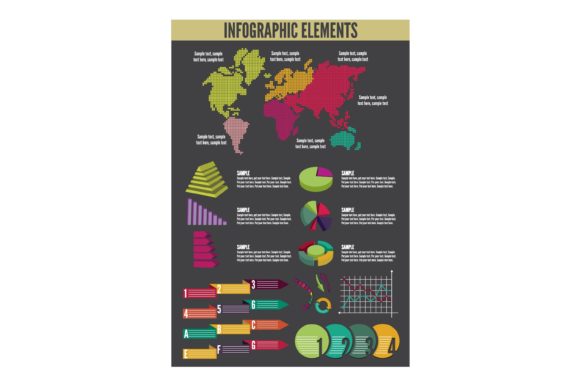
Infographics have become a cornerstone of modern communication, offering a visually engaging way to convey complex information in an easily digestible format. Whether you're a professional, entrepreneur, educator, or hobbyist, integrating infographics into your workflow can significantly enhance clarity, engagement, and efficiency. This article explores how infographics fit into broader processes, their practical applications, and how they interact with other tools and resources to support various tasks and projects.
The Role of Infographics in Modern Workflows
Infographics are not just decorative elements; they are strategic assets that help streamline decision-making, simplify learning, and improve project management. Their ability to combine text, images, and data makes them ideal for a wide range of use cases, from marketing campaigns to educational materials. When used effectively, infographics can serve as a visual summary of key points, helping teams align on goals, track progress, and communicate ideas more clearly.
In many workflows, infographics act as a bridge between abstract concepts and actionable insights. For instance, during the planning phase of a project, an infographic can summarize objectives, timelines, and deliverables, ensuring all stakeholders have a shared understanding. Similarly, during execution, infographics can provide real-time updates or highlight performance metrics, keeping everyone informed and focused.
Where Infographics Fit in the Process
Infographics can be used at any stage of a project, task, or creative process. Here are some common scenarios where they prove particularly valuable:
- Before a Project: Use infographics to outline goals, scope, and expectations. They can also serve as a roadmap, guiding teams through the development process.
- During a Task: Infographics can break down complex procedures into simple steps, making it easier for individuals or teams to follow along and stay on track.
- After a Decision: After making a choice, an infographic can summarize the rationale, outcomes, and next steps, ensuring transparency and alignment across departments or clients.
- In Learning Activities: Infographics are excellent for summarizing key takeaways from courses, tutorials, or training sessions, reinforcing understanding and retention.
- For Business Workflows: Infographics can streamline internal processes by visualizing workflows, identifying bottlenecks, and suggesting improvements.
- For Personal Goals: Whether it's fitness, productivity, or financial planning, infographics can help visualize progress, set milestones, and maintain motivation.
How Infographics Interact with Other Tools and Resources
Infographics don't exist in isolation. They work best when integrated with other tools, platforms, and methods that support your workflow. For example, when creating an infographic for a marketing campaign, you might start by gathering data from spreadsheets or databases, then use design software like Adobe Illustrator, Inkscape, or Corel Draw to create the visual layout. Once completed, the infographic can be shared via email, social media, or embedded into websites and presentations.
Compatibility is a key factor when working with infographics. While most design tools offer robust features, it's important to ensure that the final output is accessible across different platforms and devices. One popular file format that supports high-quality vector graphics is EPS (Encapsulated PostScript). EPS files are especially useful because they maintain clarity and scalability, making them ideal for both digital and print media.
EPS files are compatible with a wide range of software, including Adobe Illustrator CC, Adobe Suite, Inkscape, Corel Draw, and more. This versatility means that whether you're a designer, marketer, or small business owner, you can easily incorporate EPS-based infographics into your existing toolkit without worrying about compatibility issues.
Practical Implementation Tips
Creating effective infographics requires careful planning and execution. Here are some practical tips to help you integrate infographics seamlessly into your workflow:
- Define Your Purpose: Before designing an infographic, clearly define its purpose. Are you trying to inform, persuade, or entertain? Knowing your goal will help you choose the right content, style, and layout.
- Gather and Organize Data: Infographics rely on accurate and relevant data. Take time to gather and organize this information, ensuring it’s up-to-date and easy to interpret.
- Choose the Right Software: Select a design tool that suits your skill level and project requirements. If you're looking for a free option, Inkscape is a powerful alternative to Adobe Illustrator.
- Focus on Clarity and Simplicity: Avoid cluttering your infographic with too much text or unnecessary visuals. Keep the design clean, with clear headings, icons, and color coding to guide the viewer’s eye.
- Test for Usability: Once your infographic is complete, test it with others to see if it communicates your message effectively. Gather feedback and make adjustments as needed.
- Ensure Compatibility: Save your infographic in a format that works well with your target audience. EPS files are a great choice for maintaining quality across different platforms and applications.
- Use for Multiple Purposes: Don’t limit your infographic to one use. It can be repurposed for presentations, reports, social media, or even printed materials, maximizing its value.
Real-World Applications and Use Cases
Infographics are incredibly versatile and can be applied to a wide range of industries and activities. Here are some real-world examples of how infographics can be used:
- Marketing Campaigns: Infographics can be used to highlight product features, customer testimonials, or campaign highlights, making your message more engaging and shareable.
- Education: Teachers and educators can use infographics to explain complex topics, summarize lessons, or create interactive learning materials.
- Business Reporting: Infographics can simplify financial reports, market analyses, or performance metrics, making it easier for stakeholders to understand key trends and insights.
- Personal Projects: Whether you're designing custom merchandise, creating party decor, or organizing a personal budget, infographics can help you visualize and execute your ideas more effectively.
- Freelance Work: Freelancers can use infographics to showcase their portfolio, explain their services, or create client proposals that stand out from the competition.
- Small Business Owners: Infographics can be used to promote products, explain company values, or provide step-by-step guides for customers, enhancing brand identity and customer engagement.
Long-Term Benefits and Considerations
Integrating infographics into your workflow offers long-term benefits beyond immediate use. By creating high-quality, consistent infographics, you can build a strong visual identity that reinforces your brand or personal style. Additionally, infographics can be reused across multiple platforms, reducing the need for repetitive content creation and saving time in the long run.
When considering the long-term use of infographics, it's important to focus on preparation, organization, and quality control. Keeping a library of well-designed infographics ensures that you can quickly access and repurpose them when needed. Regularly updating your infographics with new data or insights also helps maintain their relevance and effectiveness over time.
Finally, always consider the audience when designing and using infographics. Understanding who your viewers are and what they need will help you create content that resonates with them and supports your overall goals.
⬇️ Download FreeFree download · No sign-up required🔗 You Might Also Like
IllustrationsThis file can be used for all programs software that accept these files. EPS fil...IllustrationsThis file can be used for all programs software that accept these files. EPS fil...IllustrationsThis file can be used for all programs software that accept these files. EPS fil...IllustrationsThis file can be used for all programs software that accept these files. EPS fil...IllustrationsThis file can be used for all programs software that accept these files. EPS fil...