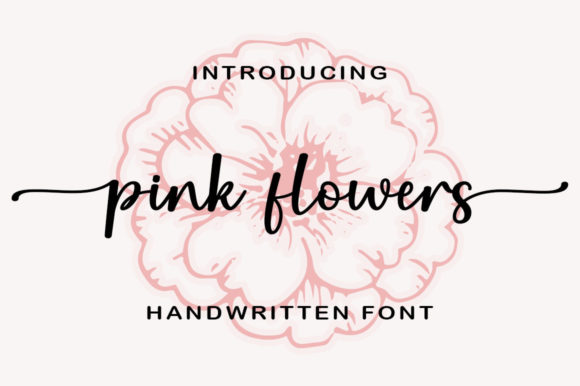
Pink Flowers
Pink Flowers is more than just a visual choice—it's a statement. With its soft, delicate hues and timeless appeal, Pink Flowers has become a symbol of elegance, charm, and warmth in the world of design. Whether it’s for personal use or professional branding, Pink Flowers brings a unique blend of sophistication and approachability that resonates with a wide audience.
The Charm of Pink Flowers
Pink Flowers feels equally charming and elegant, making it a versatile option for any design project. Unlike bold colors that demand attention, Pink Flowers offers a gentle yet impactful presence. It can be subtle or vibrant, depending on the context, which allows it to adapt seamlessly to various applications.
The color pink itself carries a range of emotional associations—love, care, creativity, and even confidence. When paired with floral motifs, Pink Flowers amplifies these feelings, creating a visual language that speaks to both the heart and the eye. This duality makes it particularly appealing for designers looking to balance aesthetics with meaning.
Trends That Make Pink Flowers Relevant Today
In recent years, there has been a noticeable shift towards more personalized and handcrafted design elements. As people seek authenticity in an increasingly digital world, Pink Flowers fits perfectly into this trend. Its handwritten touch adds a human element that stands out in a landscape dominated by automation and impersonal branding.
Moreover, Pink Flowers aligns with the growing preference for pastel tones in modern design. From fashion to interior decor, pastels have made a strong comeback, and Pink Flowers sits at the intersection of this movement and the floral aesthetic. This combination appeals to a broad demographic, including professionals, creators, and hobbyists who value both style and substance.
Practical Applications of Pink Flowers
One of the most compelling aspects of Pink Flowers is its versatility. It looks stunning on wedding invitations, thank you cards, quotes, greeting cards, logos, business cards, and every other design that benefits from a handwritten touch. Let’s explore some real-world examples:
- Wedding Invitations: A Pink Flowers design can evoke romance and elegance, setting the tone for a special occasion without being overly formal.
- Thank You Cards: The softness of Pink Flowers makes it ideal for expressing gratitude in a warm and heartfelt way.
- Logos and Branding: For businesses that want to convey kindness, creativity, or femininity, Pink Flowers offers a fresh alternative to traditional corporate fonts.
- Business Cards: Adding Pink Flowers to a business card can help a brand stand out in a crowded market while maintaining a professional image.
These applications highlight how Pink Flowers can be used not just as a decorative element but as a strategic design choice that enhances both functionality and emotion.
Why Pink Flowers Is Gaining Attention
The renewed interest in Pink Flowers can be attributed to several factors. First, the rise of remote work and digital communication has led to a greater emphasis on personal branding and meaningful content. People are no longer satisfied with generic templates; they want designs that reflect their personality and values.
Second, the popularity of social media platforms like Instagram and Pinterest has created a demand for visually engaging content. Pink Flowers provides a perfect solution—its aesthetic is inherently shareable and relatable, making it a favorite among content creators and marketers.
Lastly, the increasing focus on mental health and self-care has led to a broader appreciation for calming and uplifting visuals. Pink Flowers offers just that, providing a sense of comfort and positivity in everyday design.
How to Incorporate Pink Flowers Into Your Work
For professionals and creatives, integrating Pink Flowers into your workflow can be both practical and inspiring. Here are a few recommendations:
- Start Small: Experiment with using Pink Flowers in simple projects like email signatures, social media posts, or website headers before applying it to larger designs.
- Use Design Tools: Platforms like Canva, Adobe Spark, and Figma offer templates and assets that make it easy to incorporate Pink Flowers into your projects.
- Focus on Quality: While Pink Flowers is versatile, it’s important to maintain high-quality design standards. Avoid overusing it in ways that might dilute its impact.
- Stay Authentic: Use Pink Flowers in a way that aligns with your brand identity. It should feel genuine and purposeful, not forced or trendy.
By approaching Pink Flowers with intention, you can create designs that resonate with your audience while staying true to your creative vision.
Conclusion
Pink Flowers continues to captivate because it strikes a perfect balance between beauty and utility. Its relevance in today’s design landscape is a testament to its enduring appeal and adaptability. Whether you're a designer, marketer, educator, or simply someone who appreciates the art of visual storytelling, Pink Flowers offers a powerful tool for connecting with others through thoughtful, elegant design.